
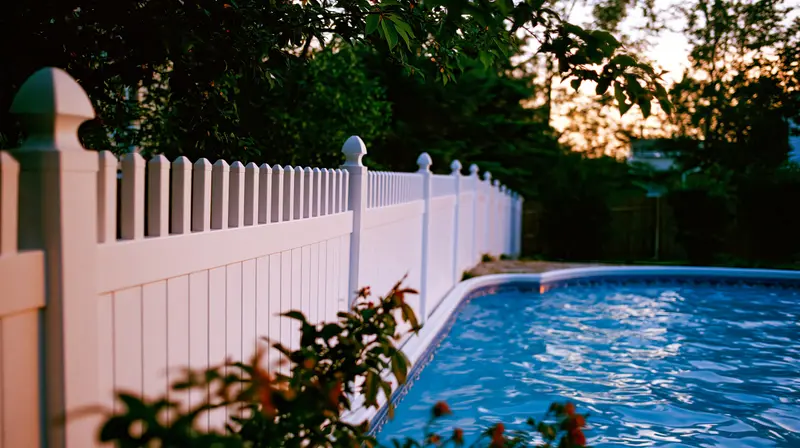
What Florida requires around a residential pool
Florida's Residential Swimming Pool Safety Act (Chapter 515, Florida Statutes) and the Florida Building Code require a barrier for new residential pools. The details are checked by the local building inspector, but the core points are the same everywhere in the state:
- The barrier must be at least four feet high, measured on the outside.
- It may not have gaps, openings or footholds that let a young child squeeze through, crawl under or climb over.
- Gates must open outward, away from the pool, and be self-closing and self-latching, with the latch release placed where a small child cannot reach it.
- The barrier must separate the pool from the house too; where the house wall forms part of the barrier, doors and windows leading to the pool need their own safety measures, such as alarms.
The building code adds measurements such as maximum picket spacing and latch heights. A pool fence contractor knows them; the inspector checks them. If you are building a pool, ask the pool builder whether the fence is in their permit or yours.
Getting a pool barrier in place?Get a free quote
Choosing the material
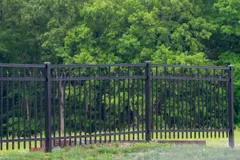
- Aluminum: the most common pool fence in Tallahassee. Open view of the water, no rust, many styles made for pool codes.
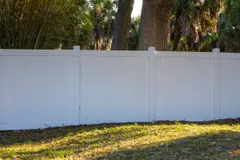
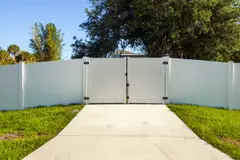
- Vinyl: privacy from the neighbors around the pool deck, no upkeep. Picket spacing and horizontal rails must still meet the barrier rules.
- Removable mesh: a pool safety fence set into the deck, which can be taken down when there are no small children around. Popular when the yard is already fenced.
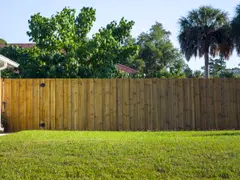
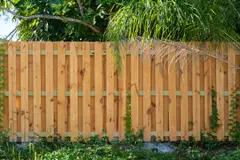
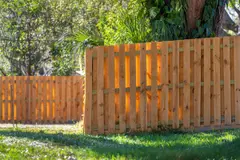
- Wood: possible, but horizontal rails on the outside can work as a ladder. Discuss the design with the contractor.
Gates are where pool fences fail
Most barriers pass or fail at the gate. Hinges must pull it shut every time, from any opening angle, and the latch must catch without slamming. Gates sag over time, especially on vinyl and wood. Ask for heavy-duty self-closing hinges and a magnetic latch, test the gate every month, and have it adjusted the moment it stops closing on its own. A repair visit for a gate is usually small and quick.
What a pool fence costs
| Fence type | Installed, per linear foot | Good to know |
|---|---|---|
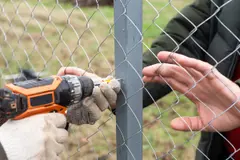
| Chain link (4 ft, galvanized or black coated) | $15–$35 | Cheapest way to enclose a big yard |
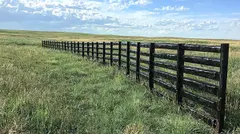
| Farm & ranch (board or wire) | $15–$35 | Long runs bring the per-foot price down |
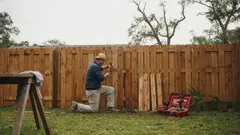
| Wood privacy (6 ft pressure-treated pine) | $22–$45 | Shadowbox and board-on-board cost more |
| Vinyl privacy (6 ft) | $35–$60 | Higher up front, little upkeep |
| Aluminum (4–5 ft ornamental) | $35–$75 | Pool-code styles and heavier rails cost more |
Typical installed ranges reported by national cost guides such as Angi. Gates, removal of an old fence, slopes, rock or roots and permit fees come on top. The written quote from your contractor is the number that counts.
Pool enclosures are usually shorter than a full backyard fence, so the total is often lower than people expect. Code-rated gates and hardware add cost. Removable mesh is priced differently, by the foot of mesh plus deck sleeves.
Pool screen enclosures
A screen cage over the pool is a different trade (screen enclosure contractors) and may or may not count as part of the barrier. Ask your inspector before relying on it.
How getting a quote works
- Tell us about the project. Fence type, rough length, timing and ZIP code. It takes about a minute.
- One local contractor gets in touch. We pass your request to one licensed fence contractor who works in your area. Not five companies, not a bidding war on your phone.
- Free on-site measure and written quote. They walk the line, check gates, slopes and trees, and give you a price in writing. You decide if and when to go ahead.
Common questions
How tall does a pool fence have to be in Florida?
At least four feet on the outside under the state pool safety rules. Many homeowners choose four or five feet. Check local requirements with the building inspector.
Which way should a pool gate open?
Outward, away from the pool, and it must close and latch on its own.
Does an existing backyard fence count as a pool barrier?
Sometimes, if it meets every requirement, including the gates and the separation from the house. Many backyard fences have gaps, footholds or gates that do not self-close. An inspector or experienced contractor can tell you.