What our climate does to a fence
- Moisture: rain, humidity and sprinklers keep wood wet; wet wood grows mildew and rots, starting where posts meet the ground.
- Termites: subterranean termites are active across North Florida and go straight for untreated wood in contact with soil.
- Sun: UV grays wood, chalks cheap vinyl and fades coatings.
- Soil: north of town, red clay holds water around posts; south toward Woodville and Wakulla, sand grips posts less firmly.
- Wind and trees: Tallahassee has seen hurricanes such as Hermine (2016) and Michael (2018), Idalia's winds in 2023 and the tornadoes of May 2024. Most fence damage comes from falling limbs and from wind loading on solid fences.
How each material holds up
Wood
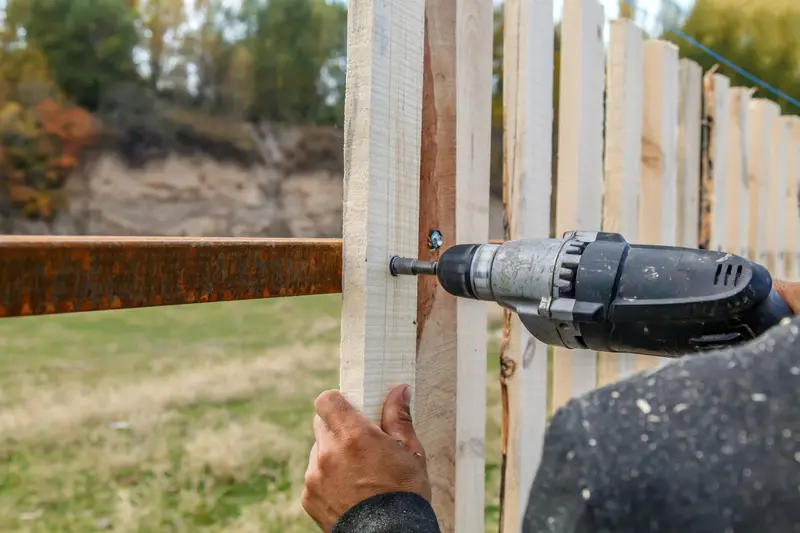
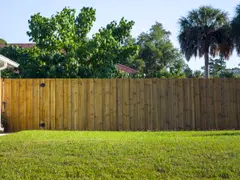
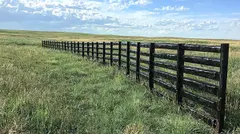
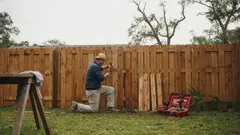
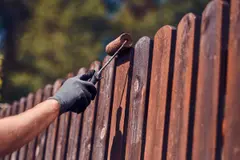
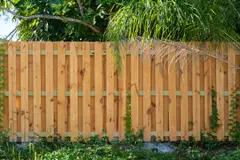
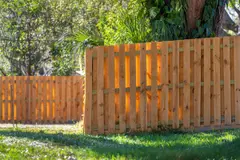
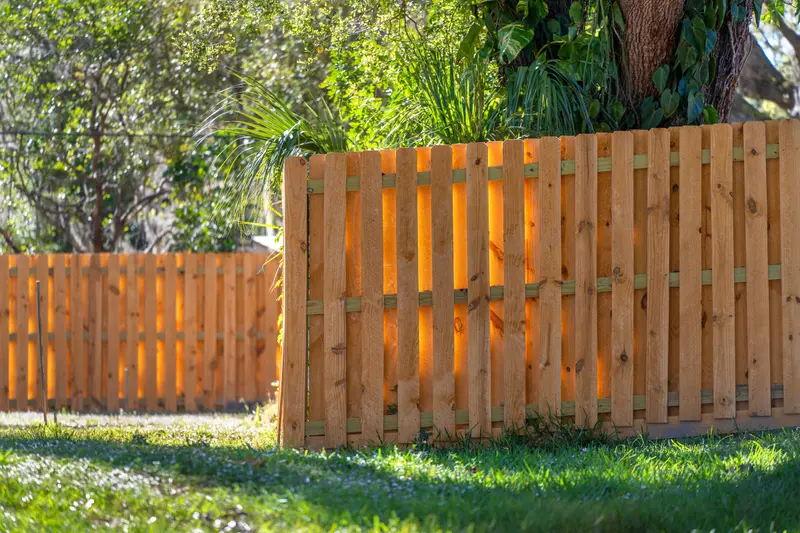
Affordable and repairable, but the most sensitive to moisture and termites. It lasts when the posts are rated for ground contact, fasteners are galvanized or coated, boards stay off the soil and the fence is sealed. Expect upkeep. More: wood privacy fences.
Vinyl
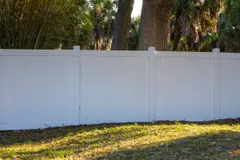
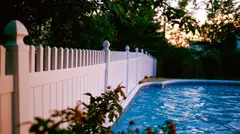
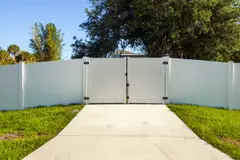
Does not rot and termites ignore it. Quality varies, so look for solid profiles, UV protection and a real warranty. Solid panels catch wind, so posts and gate posts need reinforcement. More: vinyl fences.
Aluminum
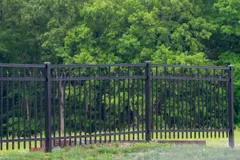
Rust-free, lets wind pass through, and handles humidity and coastal air well. No privacy, though. The best choice around pools and in front yards. More: aluminum fences.
Chain link
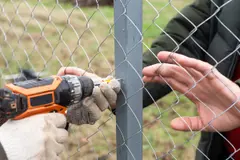
Wind passes through, nothing to rot, and coated versions resist corrosion. Low cost, low privacy. More: chain link.
Not sure which fence fits your yard?Get a free quote
Quick comparison
| Material | Moisture & rot | Termites | Wind | Upkeep |
|---|---|---|---|---|
| Wood privacy | Needs care | Treated posts needed | Solid, catches wind | Seal every 2–3 years |
| Vinyl privacy | Does not rot | Not affected | Solid, needs strong posts | Wash occasionally |
| Aluminum | Does not rot | Not affected | Open, wind passes | Very low |
| Chain link | Coated resists corrosion | Not affected | Open, wind passes | Very low |
Building details that matter more than the material
- Posts: correct depth for the soil, set in concrete with drainage, and heavier at gates and corners.
- Spacing: closer post spacing on solid fences in open, windy spots.
- Clearance: keep wood off the ground and out of mulch beds.
- Hardware: galvanized, coated or stainless; near the coast, stainless.
- Trees: keep the line out from under dead or leaning limbs where you can; trim before the season.
Our honest summary
For privacy with the least upkeep, quality vinyl with reinforced posts. For the lowest cost of privacy and easy repairs, well-built wood that you keep sealed. Around pools and in front yards, aluminum. For big lots and dogs on a budget, coated chain link. Whatever you choose, ask the contractor how the posts will be set.
Before any post hole is dug, Florida law requires a locate request through Sunshine 811 at least two full business days ahead, so buried power, gas, water and cable lines get marked. A good contractor handles this for you; ask to make sure.
How getting a quote works
- Tell us about the project. Fence type, rough length, timing and ZIP code. It takes about a minute.
- One local contractor gets in touch. We pass your request to one licensed fence contractor who works in your area. Not five companies, not a bidding war on your phone.
- Free on-site measure and written quote. They walk the line, check gates, slopes and trees, and give you a price in writing. You decide if and when to go ahead.
Next: wood vs vinyl in detail and fence prices.
Common questions
Which fence lasts longest in Florida?
Aluminum and quality vinyl generally outlast wood because they do not rot and termites ignore them. A well-built, well-maintained wood fence can still last many years.
Is a solid privacy fence more likely to blow down?
Solid fences catch more wind than open ones. Strong, deep posts, sound gate posts and correct spacing reduce the risk; falling trees remain the most common cause of storm damage.