
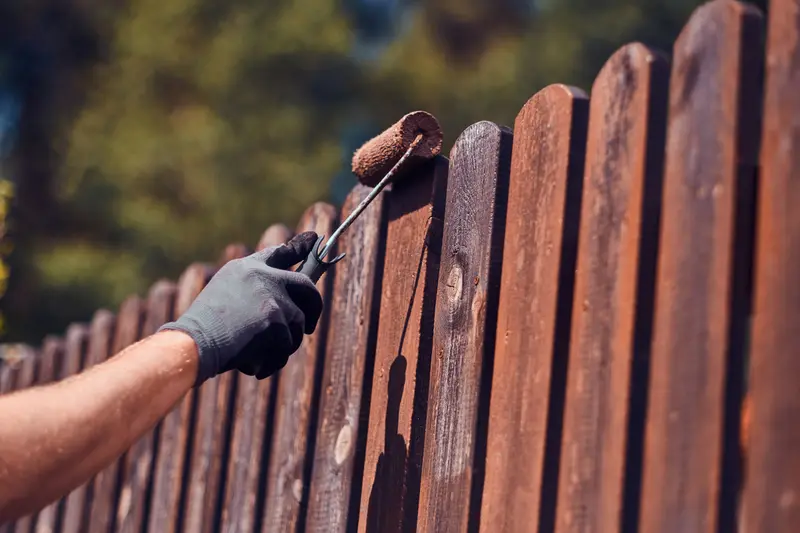
Why stain a fence here
Sun dries the surface of the wood, rain soaks it again, and the cycle repeats almost every day in summer. That is what opens cracks, raises the grain and lets mildew and rot in. A good penetrating stain or sealer slows water uptake and blocks UV. It will not make a weak fence strong, but it can add years to a sound one.
When to stain a new fence
New pressure-treated pine is wet from the treatment. Stain applied too early does not soak in. Many contractors suggest waiting a couple of months, until water beads soak into the wood instead of sitting on top. Ask your installer what they recommend for the lumber they used. Cedar can usually be sealed sooner.
How often to reseal
In North Florida, plan on refreshing stain every two to three years, sooner on fences in full sun or with heavy sprinkler overspray. Semi-transparent stains need refreshing more often than solid-color stains but show the wood grain and wear more gracefully.
Fence looking gray and tired?Get a free quote
What the job includes
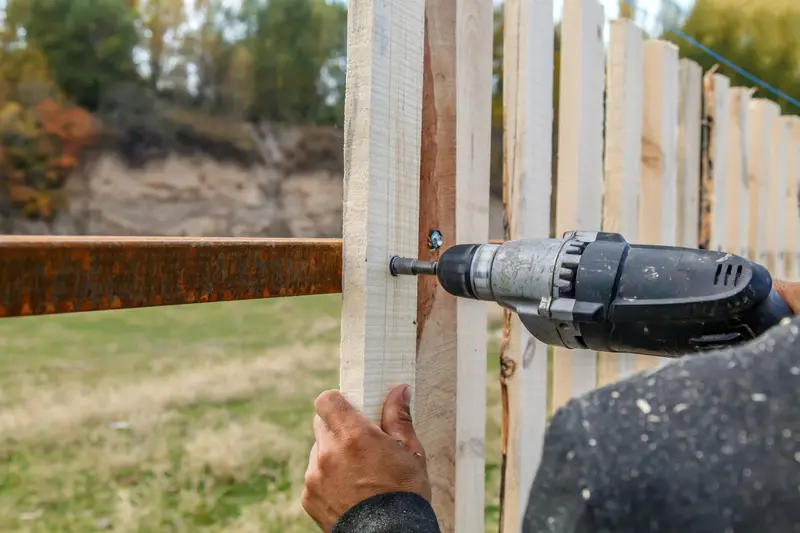
- Inspection: loose boards, popped nails and rotten pickets are fixed first. Staining over rot only hides it.
- Cleaning: mildew, algae and gray surface fibers are removed with a wood cleaner or brightener and a careful wash. Aggressive pressure washing can fur up the wood.
- Drying time: the fence has to dry before stain goes on, which in our summers can mean watching the weather for a dry stretch.
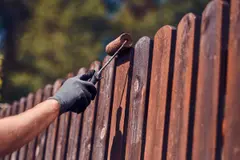
- Application: spraying with back-brushing or rolling, both sides if you want both sides protected, and protecting plants, pavers and the house.
Choosing a color
Transparent and semi-transparent stains let the wood show; solid stains look more like paint and cover older, mismatched boards. Many HOAs in Tallahassee specify a color or a short list. Bring a board sample to the approval if they ask for one.
What staining costs
Staining is usually priced by the square foot of fence face (length times height, times two if both sides are done) or by the linear foot. Cleaning, repairs and two-sided application all change the price. A typical backyard fence often lands in the high hundreds to low thousands. Get the scope in writing, including which sides and how many coats.
Thinking about never staining again?
If you are on your second or third round of staining an aging fence, compare the cost with a vinyl or aluminum replacement. Our wood vs vinyl guide runs the numbers.
How getting a quote works
- Tell us about the project. Fence type, rough length, timing and ZIP code. It takes about a minute.
- One local contractor gets in touch. We pass your request to one licensed fence contractor who works in your area. Not five companies, not a bidding war on your phone.
- Free on-site measure and written quote. They walk the line, check gates, slopes and trees, and give you a price in writing. You decide if and when to go ahead.
Common questions
How soon can I stain a new wood fence?
Usually after the pressure-treated wood has dried out, often a couple of months. A simple test: sprinkle water on a board. If it soaks in, the wood is ready.
Should I stain both sides?
Both sides last longer, because water gets in from either side. If budget is tight, the sunny side and the side facing sprinklers come first.
Can you remove the green mildew?
Yes, cleaning removes mildew and algae before stain goes on. Shaded fences tend to grow it back faster, so regular rinsing helps.